
Lawn Fertilization: How Nutrients Help Your Lawn Grow
Growing a Healthy Lawn in Michigan
A healthy lawn does not happen by accident. Grass needs the right balance of nutrients to grow thick, green, and strong. In Michigan, lawns face many challenges throughout the year, including cold winters, spring rain, and summer heat. Without proper nutrients, grass can struggle to grow and may become thin or weak.
Lawn fertilization provides the nutrients your grass needs to grow properly and stay healthy throughout the growing season. Understanding how fertilization works can help you achieve a greener and more resilient lawn.

Why Lawn Fertilization Is Important
Grass uses nutrients from the soil to grow. Over time, those nutrients become depleted as the lawn grows, rainfall washes nutrients away, and mowing removes organic material.
When your lawn does not receive enough nutrients, you may notice problems such as:
- Thin or patchy grass
- Slow growth
- Pale or yellowing color
- Increased weed growth
A consistent lawn fertilization program helps restore nutrients to the soil so your grass can grow thicker and healthier.
What NPK Stands For
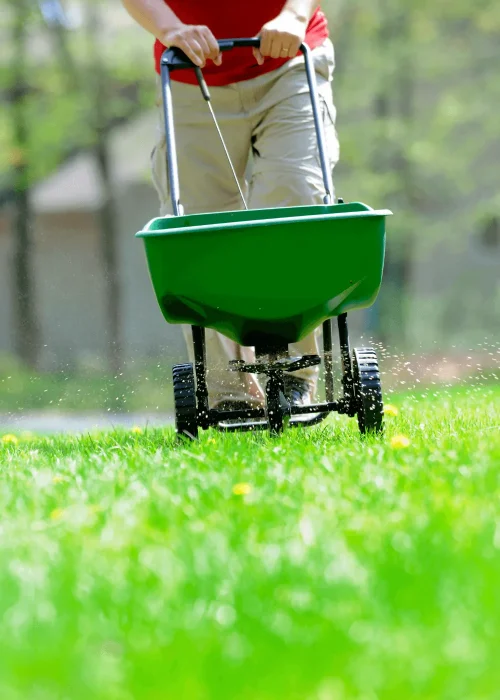
Most lawn fertilizers contain a combination of three main nutrients that support grass growth. These nutrients are commonly referred to as NPK.
Nitrogen
Nitrogen is the nutrient that has the biggest impact on lawn color and growth. It helps grass grow faster and develop a rich green color. Nitrogen also helps lawns recover from stress caused by foot traffic, mowing, and changing weather conditions.
Phosphorus
Phosphorus plays an important role in root development. Strong roots help grass absorb water and nutrients more efficiently. Healthy root systems are especially important in Michigan, where lawns need to recover from cold winter conditions each year.
Potassium
Potassium helps strengthen grass and improve its ability to handle stress. Lawns that receive adequate potassium are often better able to tolerate heat, drought, and disease. This nutrient also helps improve the overall health and durability of your lawn.
When to Fertilize Your Lawn in Michigan
Timing is very important when it comes to lawn fertilization. Michigan lawns are usually made up of cool-season grasses such as Kentucky bluegrass and fescue. These grasses grow best during the cooler temperatures of spring and fall.
A seasonal fertilization program often includes:
- Early spring fertilization to help lawns recover from winter
- Late spring or early summer treatments to support growth
- Fall fertilization to strengthen roots and prepare for winter
Benefits of Professional Lawn Fertilization
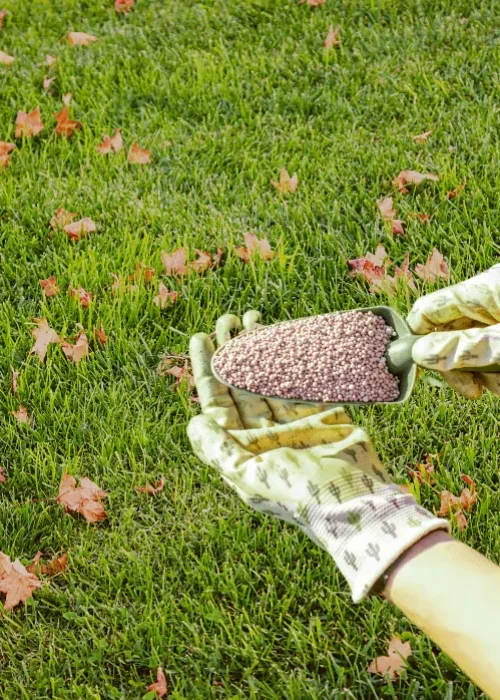
Many homeowners try to fertilize their lawns themselves, but it can be difficult to know which products and when to apply them. Too much fertilizer or applying it at the wrong time can lead to poor results. Professional lawn fertilization services provide several advantages.
Benefits of professional lawn fertilization include:
- Proper nutrient balance for Michigan lawns
- Treatments applied at the right time of year
- Even application across the entire lawn
- Improved lawn health and growth
A professional lawn care program takes the guesswork out of fertilization and helps ensure your lawn receives the nutrients it needs.
Build a Healthier Lawn with Proper Fertilization
Regular lawn fertilization is one of the most important steps in maintaining a thick and healthy lawn. By providing the right nutrients at the right time, you can support strong root growth, improve lawn color, and help your grass resist weeds and stress.
At Back to Nature Lawn Care, we provide professional lawn fertilization services designed specifically for Michigan lawns. We also offer additional services including aeration, mosquito control, tree and shrub care, and more.
Contact Back to Nature Lawn Care today to learn more about our lawn fertilization and weed control services in Michigan and start building a healthier lawn.